
テクノロジーが事故を悪化させる理由
Why Technology Can Make Some Accidents WORSE…
===
#fligdebrief #plaincrash #planecrash
===
Why Technology Can Make Some Accidents WORSE…
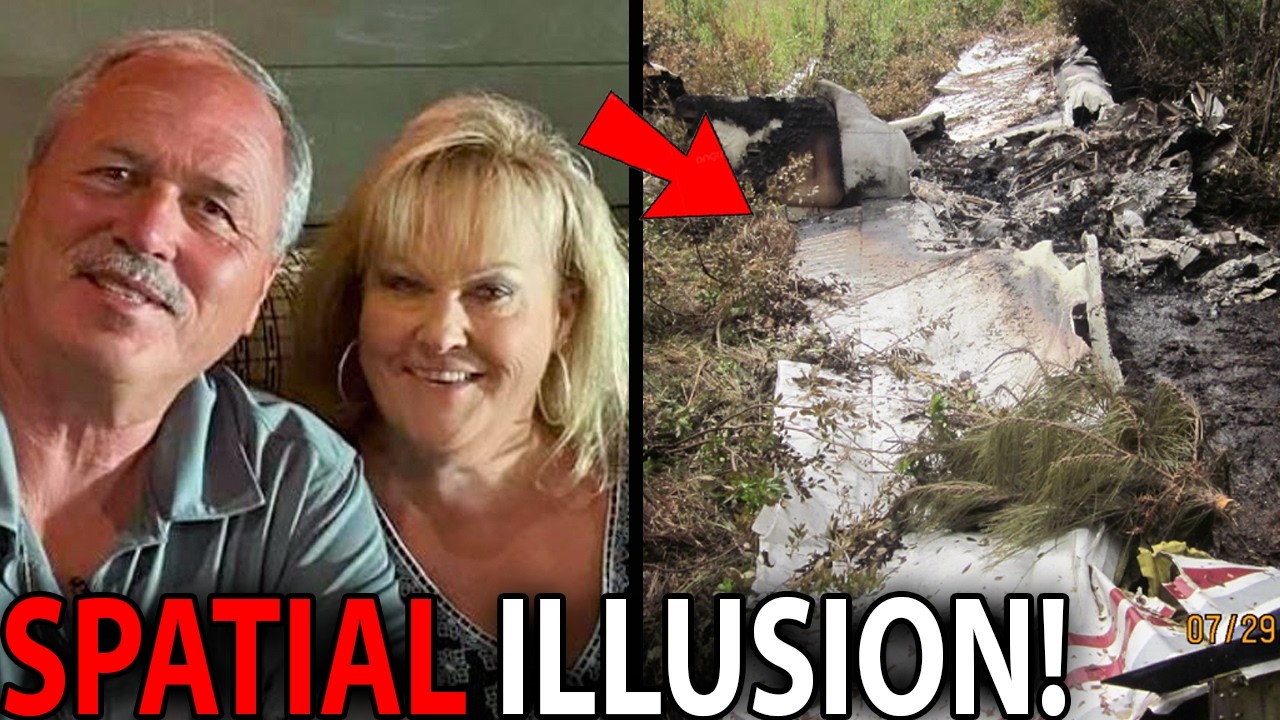
The aircraft involved was a Beechcraft F33A Bonanza, registration N3156W. It’s a high-performance, single-engine airplane with a long reputation for solid handling, good speed, and predictable behavior when flown within its envelope. This was not a marginal aircraft, and it was not operating at the edge of its capabilities.
On board were Timothy “Tim” Rhodes and his wife, Doris Rhodes. Their names deserve to be mentioned respectfully, and then left there—because this story isn’t about personal motives or intentions. It’s about the environment and the decisions that any pilot, in the same situation, could recognize.
Why Technology Can Make Some Accidents WORSE…
From a technical standpoint, there was nothing remarkable—or concerning—about the airplane’s condition before departure. No mechanical discrepancies were reported. No deferred maintenance items were involved. The engine type installed on this Bonanza has a long service history, and there was no indication before takeoff that it wasn’t performing normally.
Just as importantly, there was no emergency declared at any point during the flight. No mayday. No pan-pan. No indication, from communications or behavior, that the pilot believed the aircraft itself was failing or that something had suddenly gone wrong.
That detail matters, because it tells us something critical about how this flight felt from inside the cockpit.
From the pilot’s perspective, this didn’t begin as a crisis. There was no loud bang, no sudden loss of power, no warning light demanding immediate action. The airplane didn’t surprise the pilot. It behaved the way it always had.
Why Technology Can Make Some Accidents WORSE…
And that’s often how the most instructive accidents begin.
Nothing about this flight started as an emergency—and that’s exactly how many deadly accidents begin.
They start quietly, with an airplane that’s working, a pilot who believes the situation is manageable, and a chain of decisions that don’t feel dangerous when they’re being made.
THE WEATHER DECISION
To understand how this flight progressed, we need to move away from the airplane itself and look at the decision-making environment surrounding it. Not to judge it, but to understand why it made sense at the time.
Before departure, the pilot checked the weather. This wasn’t a casual glance or a complete lack of preparation. The weather was reviewed, including radar imagery, and the conditions ahead were evaluated. Based on what was available at that moment, the pilot identified what appeared to be a possible window between weather systems.