
アメリカ人にとって最も危険な5つの健康問題
The five most dangerous health problems for Americans.
1. Chronic Diseases
Heart Disease
Leading cause of death in the U.S.
Includes conditions like coronary artery disease, heart attack, and congestive heart failure.
Risk factors: High blood pressure, high cholesterol, smoking, obesity, poor diet, sedentary lifestyle, and genetic predisposition.
Prevention: Healthy diet, regular exercise, avoiding smoking, and managing stress.
Diabetes
Affects over 37 million Americans (Type 1 and Type 2).
Type 2 Diabetes: Strongly linked to obesity and physical inactivity.
Complications: Kidney disease, vision loss, nerve damage, and cardiovascular disease.
Prevention/Management: Weight control, balanced diet, regular physical activity, and medication.
Cancer
Most common types: Lung, breast, prostate, and colorectal cancers.
Risk factors: Smoking (lung cancer), alcohol consumption, poor diet, UV exposure (skin cancer), and genetic predisposition.
Screening: Mammograms, colonoscopies, and other screenings help with early detection.
Treatment: Surgery, chemotherapy, radiation, immunotherapy, and targeted therapies.
Chronic Respiratory Diseases
COPD: Often caused by smoking or long-term exposure to pollutants.
Asthma: Affects over 25 million Americans; triggers include allergens, air pollution, and exercise.
Prevention: Avoiding smoking, reducing exposure to air pollutants, and using prescribed medications.
2. Obesity and Related Conditions
Statistics: Over 42% of adults and 20% of children are obese.
Contributes to: Type 2 diabetes, hypertension, heart disease, and certain cancers.
Causes: High-calorie diets, sedentary lifestyles, genetic predisposition, and socio-economic factors.
Prevention: Balanced diet, physical activity, education on nutrition, and community programs promoting active lifestyles.
3. Mental Health Disorders
Depression and Anxiety: Most common disorders, affecting millions. Risk factors include trauma, genetics, and chronic stress.
PTSD: Common among veterans, trauma survivors, and first responders.
Bipolar Disorder: Characterized by mood swings ranging from depression to mania.
Suicide: 10th leading cause of death; rates are higher among teens, young adults, and certain minority groups.
Treatment: Therapy, medication (e.g., antidepressants), community support, and crisis hotlines (e.g., 988 Suicide & Crisis Lifeline).
4. Substance Use Disorders
Opioid Crisis
Causes: Over-prescription of painkillers, illicit drug use (e.g., fentanyl, heroin).
Impact: Over 100,000 overdose deaths annually.
Response: Narcan (naloxone) for overdose reversal, public health campaigns, and treatment programs.
Alcohol Use
Excessive consumption leads to liver disease, cancers, and accidents.
Binge drinking is particularly problematic among young adults.
Tobacco and Vaping
Smoking: Still the leading preventable cause of death, contributing to cancer, heart disease, and COPD.
Vaping: Linked to lung injuries and nicotine addiction among teens.
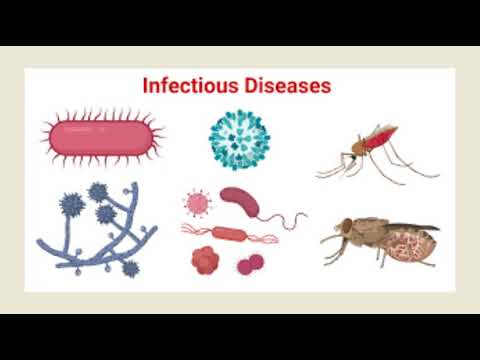
5. Infectious Diseases
Seasonal Influenza
Annual outbreaks lead to hospitalizations and deaths, especially in older adults.
Vaccination: Most effective prevention measure.
COVID-19
Continued risk of new variants and long COVID.
Prevention: Vaccination, masks, and public health measures.
Antibiotic Resistance
Overuse of antibiotics has led to “superbugs” resistant to treatment.
Example: Methicillin-resistant Staphylococcus aureus (MRSA).
Regional Diseases
Lyme Disease: Tick-borne disease common in the Northeast and Midwest.
West Nile Virus: Mosquito-borne disease in warmer regions.